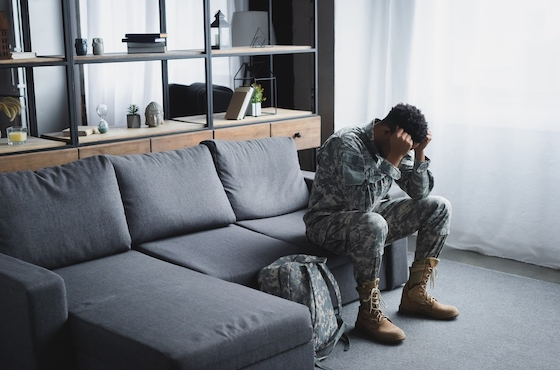
Coming home from Iraq didn’t mean I left everything I experienced there behind me.
After a 13-month combat tour, I had trouble with things that hadn’t bothered me before. Sudden noises startled me. Crowds made me uncomfortable. I became irritated more easily, especially while driving.
It took me years to acknowledge that something had changed and seek help. Looking back, I wish I had taken those signs more seriously sooner.
I’m sharing my experience because another veteran may recognize something familiar in it. My experience isn’t a treatment plan, but it may help you think about the support you need.
What I Noticed After Coming Home
In Iraq, I spent much of my time on convoy security missions, escorting civilian and military convoys carrying supplies. Paying attention to the road and everything around us was part of keeping people alive.
That level of alertness followed me home. A car backfiring in a grocery store parking lot caused a much stronger reaction than I expected. While driving, I found myself swerving around debris and reacting as though I were still in Iraq.
I also remember going to the state fair with a family member. Being surrounded by people made me so uncomfortable that we eventually left.
Those are examples from my life. PTSD doesn’t look the same for everyone, and experiencing combat doesn’t mean developing PTSD is inevitable. A qualified mental health professional can help determine what’s happening and which treatments may fit your situation.
Getting Help Was an Important Step
For a few years, I resisted acknowledging the problem. Feedback from family and friends eventually helped me recognize that I needed support, and I sought help through the VA.
One medication I was prescribed caused a side effect I didn’t want to tolerate long term. That experience influenced my interest in other approaches, but it doesn’t mean medication is wrong for someone else.
If a treatment causes side effects or doesn’t seem to be helping, bring that up with your clinician. Ask about adjustments and other options rather than stopping or changing medication on your own.
I also used alcohol to cope at times. For me, that made things worse and created additional problems. Being honest about that was part of finding a healthier way forward.
Start With Treatments Supported by Evidence
The VA’s National Center for PTSD identifies trauma-focused therapies such as Cognitive Processing Therapy, Prolonged Exposure, and Eye Movement Desensitization and Reprocessing as effective treatment options. Medication can also be part of care.
You can read the VA’s PTSD treatment overview before an appointment and use it to prepare questions:
- Which treatments would you recommend for my situation, and why?
- What would sessions involve?
- How will we track whether treatment is helping?
- What should I do if symptoms worsen or I experience side effects?
You don’t have to figure out the right treatment by yourself. And an approach that didn’t work well the first time doesn’t mean you’re out of options.
Where Everyday Habits Fit
Fitness and martial arts have been valuable parts of my life. I’ve trained in several disciplines, including boxing, and often noticed that I felt better after a session.
That’s my personal experience, not evidence that contact sports treat PTSD. Your health, injury history, and comfort level matter when choosing an activity.
Regular meals, sleep routines, supportive relationships, and physical activity are worth discussing as part of your overall care. If you’re interested in yoga, meditation, acupuncture, or another complementary approach, ask your clinician about the evidence, possible risks, and how it fits with treatment.
Also be cautious about products marketed as PTSD remedies. Before trying something new, look beyond the marketing and consider the available evidence, potential side effects, and interactions with anything you’re already taking. Discuss it with a qualified health care professional who can help you evaluate how it fits into your care.
Take the Next Step Toward Support
Many of my early symptoms eventually became more manageable. I don’t say that to suggest everyone’s experience will follow the same course. I say it because struggling today doesn’t mean improvement is out of reach.
If symptoms are affecting your sleep, relationships, work, or daily life, schedule an appointment and describe what you’re experiencing. Writing down a few examples beforehand can help you explain what’s been happening.
If you’re in suicidal crisis or emotional distress in the United States, you can call 988 for crisis support.
You can also explore these resources for veterans for help with benefits, community connections, and other needs.